IAP-AirProducts Photogenic Fume Arm Contest

March 3, 2023

IAP first ever, photo contest! 

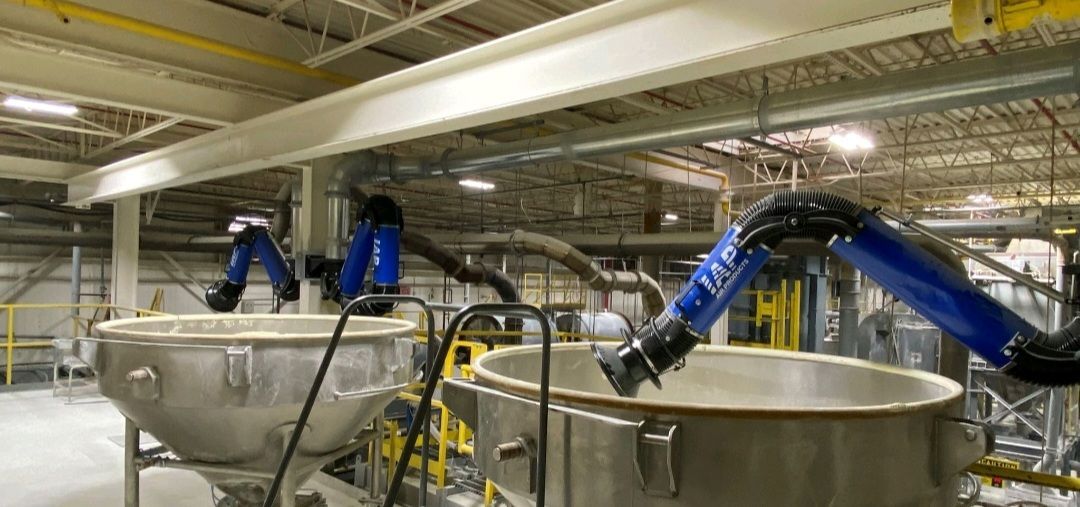
Extraction fume arms installed over vessels
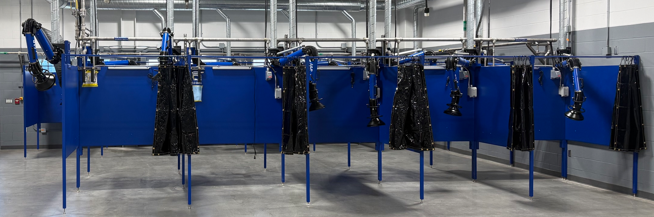
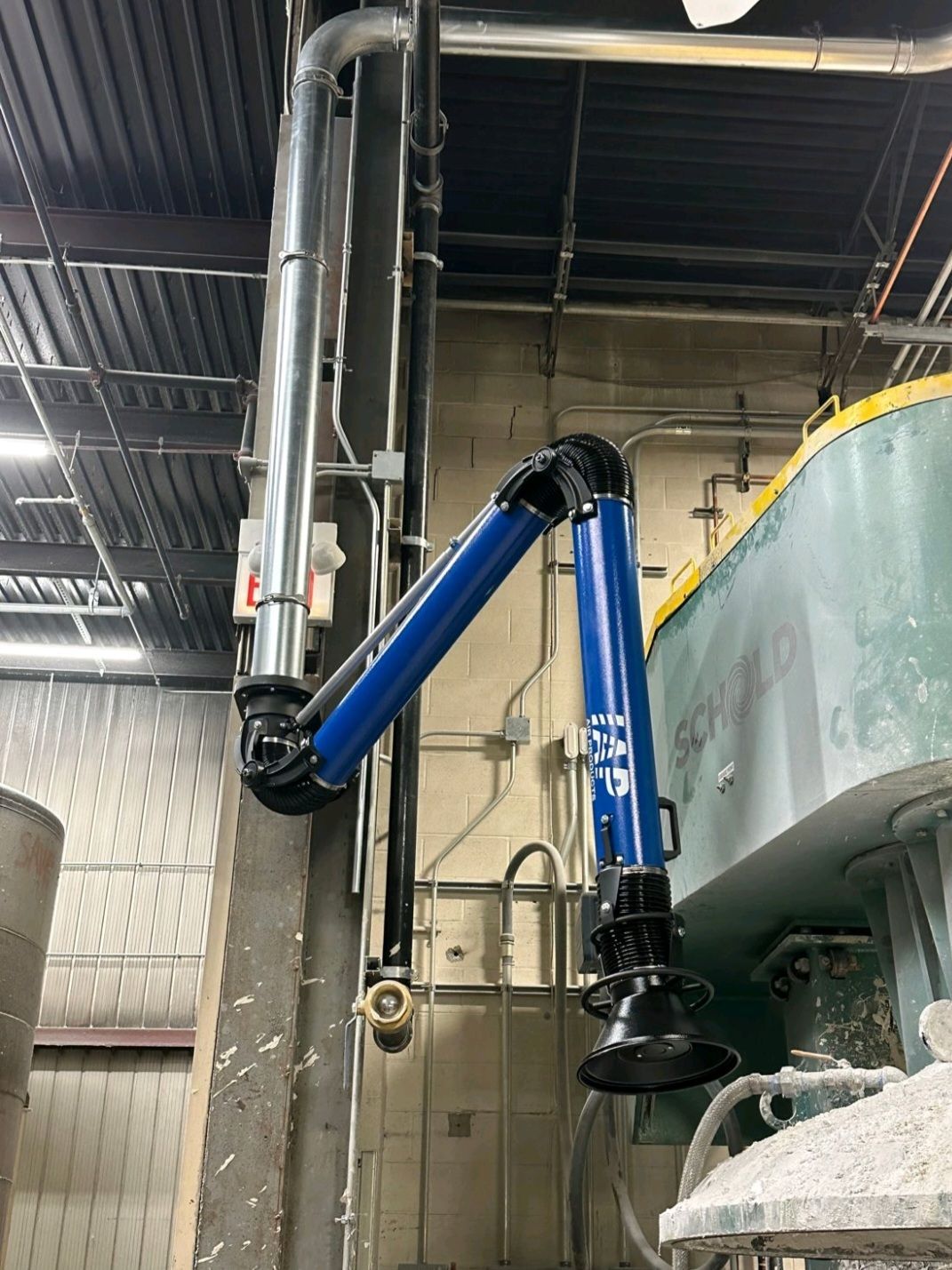
Extraction fume arms installed in manufacturing plant

Earlier this year IAP invited our customers to participate in our first ever, photo contest! We challenged them to bring out their inner photographer. They were asked to send pictures from recent install projects that utilized our products.  Each picture gained an entry into the contest. The IAP install team selected these as their top 3 favorite photos. The owners of these photos received some IAP merch.


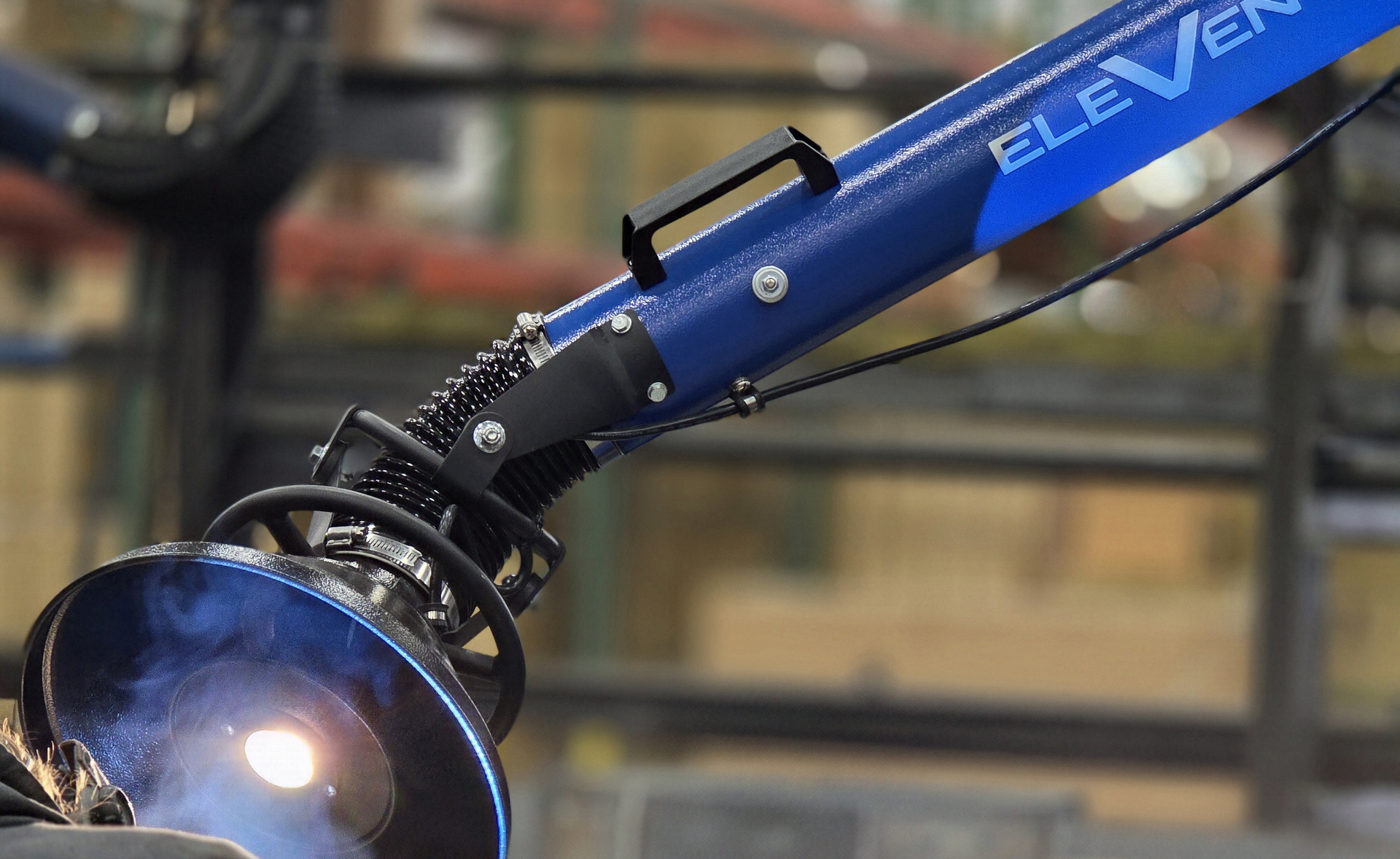
We thought these represented a good cross section of the many applications that Extraction Fume Arms can be used in. We offer a full line of Extraction Fume Arms that can be utilized to safely control process fumes, dust, and smoke. These Extraction Fume Arms are specially designed for working environments with fumes, light dust, and smoke; where source capture is desired to prevent contamination from spreading into the work environment where it can be inhaled. The applications can be welding, grinding, or other industrial processes where an easily positioned fume extraction arm is required. 


IAP-Air Products sends a BIG THANK YOU to everyone who participated.
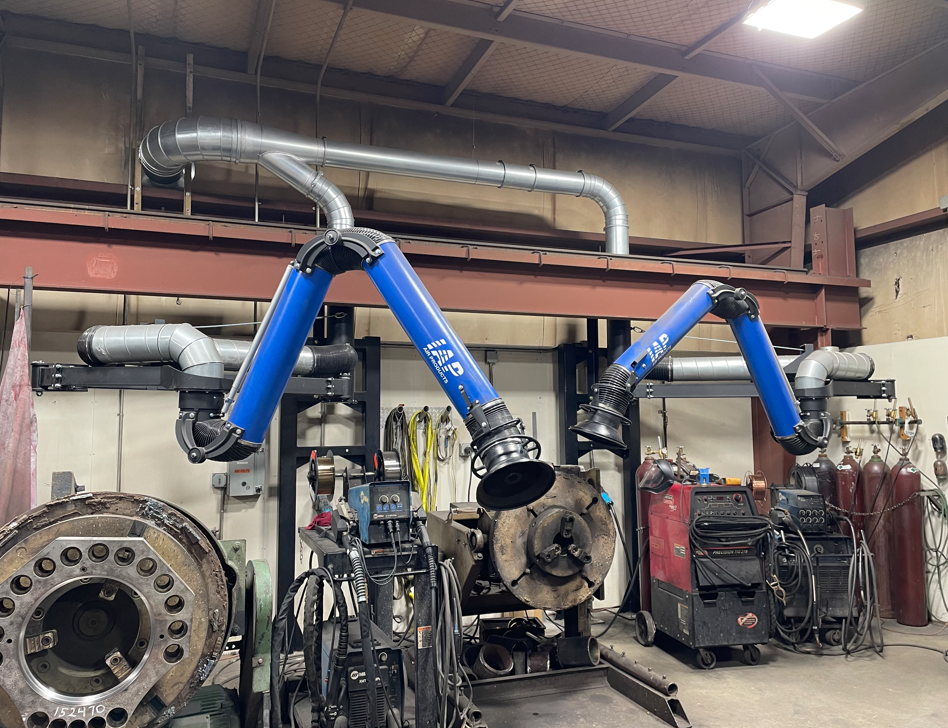
IAP-AirProducts extraction fume welding arm installed in weld shop

SHARE THIS POST

Fume extraction welding booths for trade schools & technical colleges needing a welding solution.
April 7, 2026
How to optimize the environment for safety, organization & efficiency in trade schools & weld training classes with high-quality work stations & accessories.
Source Capture vs Ambient Capture in welding fume extraction applications.
March 2, 2026
This article by IAP, describes how a fume extraction arm outperforms a canopy hood in welding & industrial applications. It covers a real-world example; comparing airflow efficiency, flexibility and control. A side by side comparison is included.
ELEVENT fume extraction
February 12, 2026
When evaluating a welding fume extractor, it’s easy to be drawn to large CFM numbers. What often isn’t clear is where that airflow is measured. In many cases, those numbers are tied to motor ratings, not the airflow available at the hood where fume capture actually occurs. This article helps explain this.