Motor Ratings vs Real Capture
Why CFM at the Hood of your Fume Extractor Actually Matters
When evaluating a welding fume extractor, it’s easy to be drawn to large CFM numbers. Many manufacturers advertise impressive airflow ratings — but what often isn’t clear is where that airflow is measured.
In many cases, those numbers are tied to
motor ratings, not the airflow available at the hood where fume capture actually occurs.
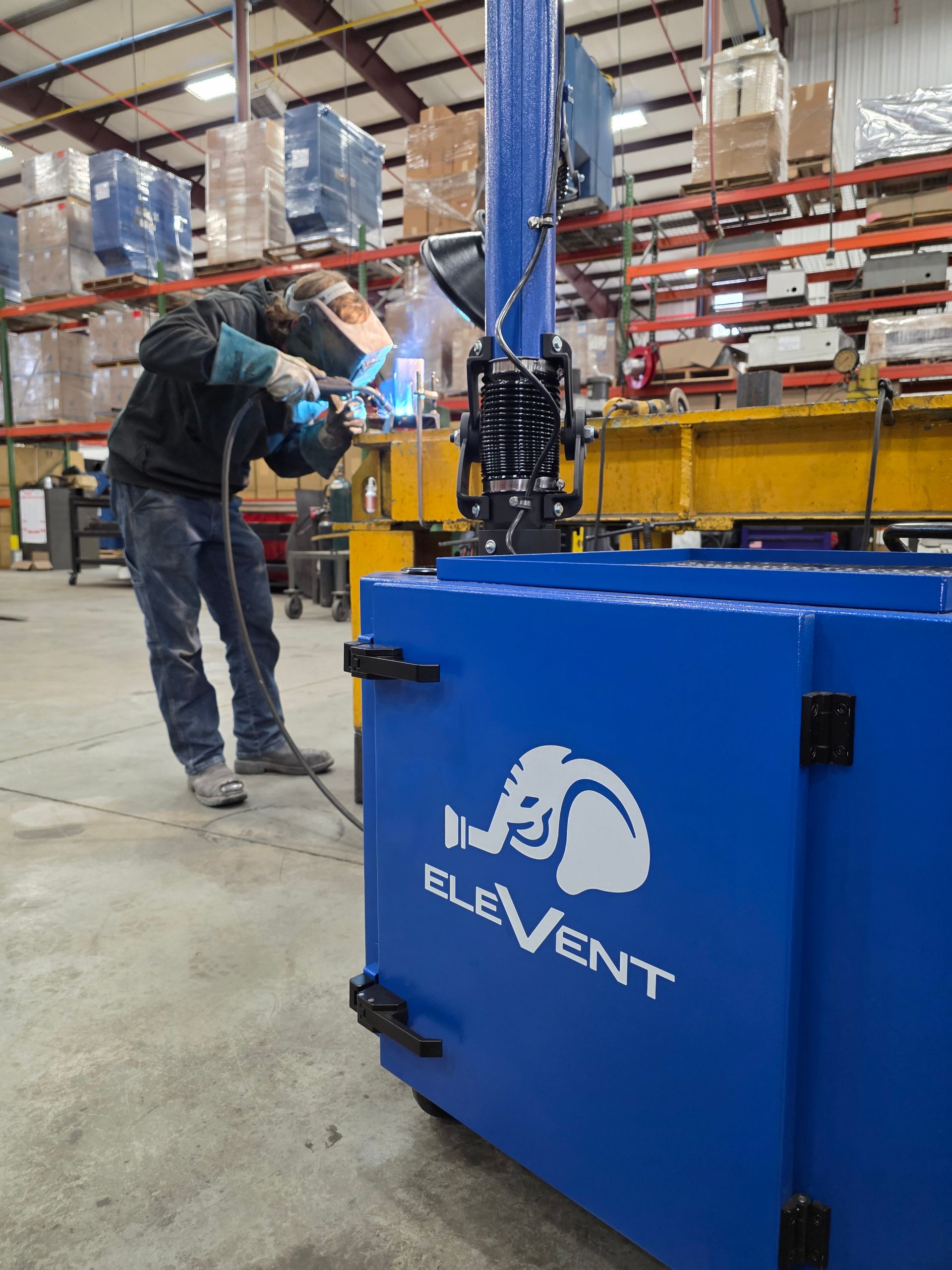
The Problem With Marketing Motor CFM
A motor may be capable of moving a high volume of air under ideal conditions, but real-world extraction systems introduce losses at every step:
- Long extraction arms
- Multiple joints and bends
- Filters and internal components
- Hood design
Once those factors are in play, the airflow at the hood can drop significantly. In practice, many high-cost mobile extractors with large arms end up delivering airflow that sits right at the minimum capture threshold, often around 2,000 FPM.
Why Minimum Capture Isn’t Good Enough
At minimum capture velocities, fume extraction technically works — but only under ideal conditions. The hood must be positioned very close to the weld, and it often needs frequent adjustment as the work moves.
In real shops and school environments, this creates a problem:
- Constant hood repositioning becomes a distraction
- Equipment starts to feel like it’s in the way
- Users gradually stop positioning the hood correctly — or stop using it altogether
From a safety standpoint, a system that welders don’t want to use is not a good solution, even if it meets minimum airflow requirements on paper.
ELEVENT’S Measured, Real-World Approach
The ELEVENT fume extractor takes a different path.
Rather than advertising motor capability, ELEVENT is rated on measured airflow at the hood:
- 400 CFM at the hood, verified in real operating conditions.
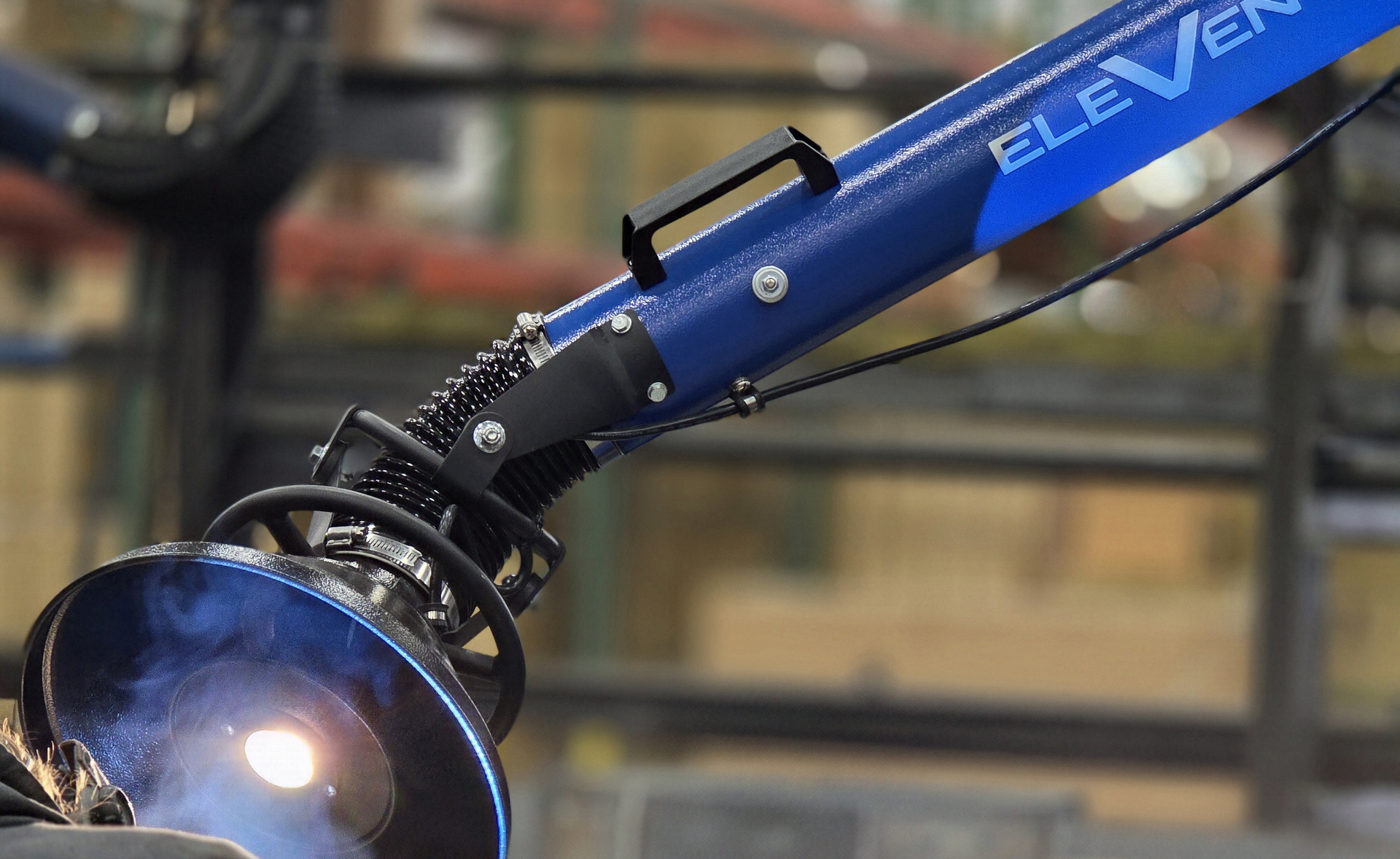
ELEVENT uses a 13" hood with an internal diverter plate. This design forces airflow to the perimeter of the hood, allowing it to:
- Pull fumes from a larger capture area
- Maintain effective capture velocity where it matters
- Reduce reliance on perfect hood placement
This isn’t about chasing the biggest number — it’s about delivering usable airflow in the real world.
What That Means for Welders and Students
With stronger, more forgiving capture at the hood, ELEVENT:
- Allows fumes to be captured from farther away
- Reduces the need for constant hood adjustments
- Improves consistency in busy or instructional environments
That makes it an excellent fit for moderate welding applications and educational settings, where ease of use directly impacts whether the equipment is used correctly — or at all.
Honest Performance Beats Inflated Specs
ELEVENT isn’t designed to replace heavy industrial systems, and it doesn’t rely on inflated motor ratings to appear more powerful than it is. Instead, it delivers honest, measured performance at the hood, where fume capture actually happens.
When choosing a fume extractor, the real question isn’t:
“What’s the motor rated for?”
It’s:
“What airflow am I getting at the hood — in real use?”
SHARE THIS POST