When Sparks Fly
Welding Fume Extraction Arm Accessories
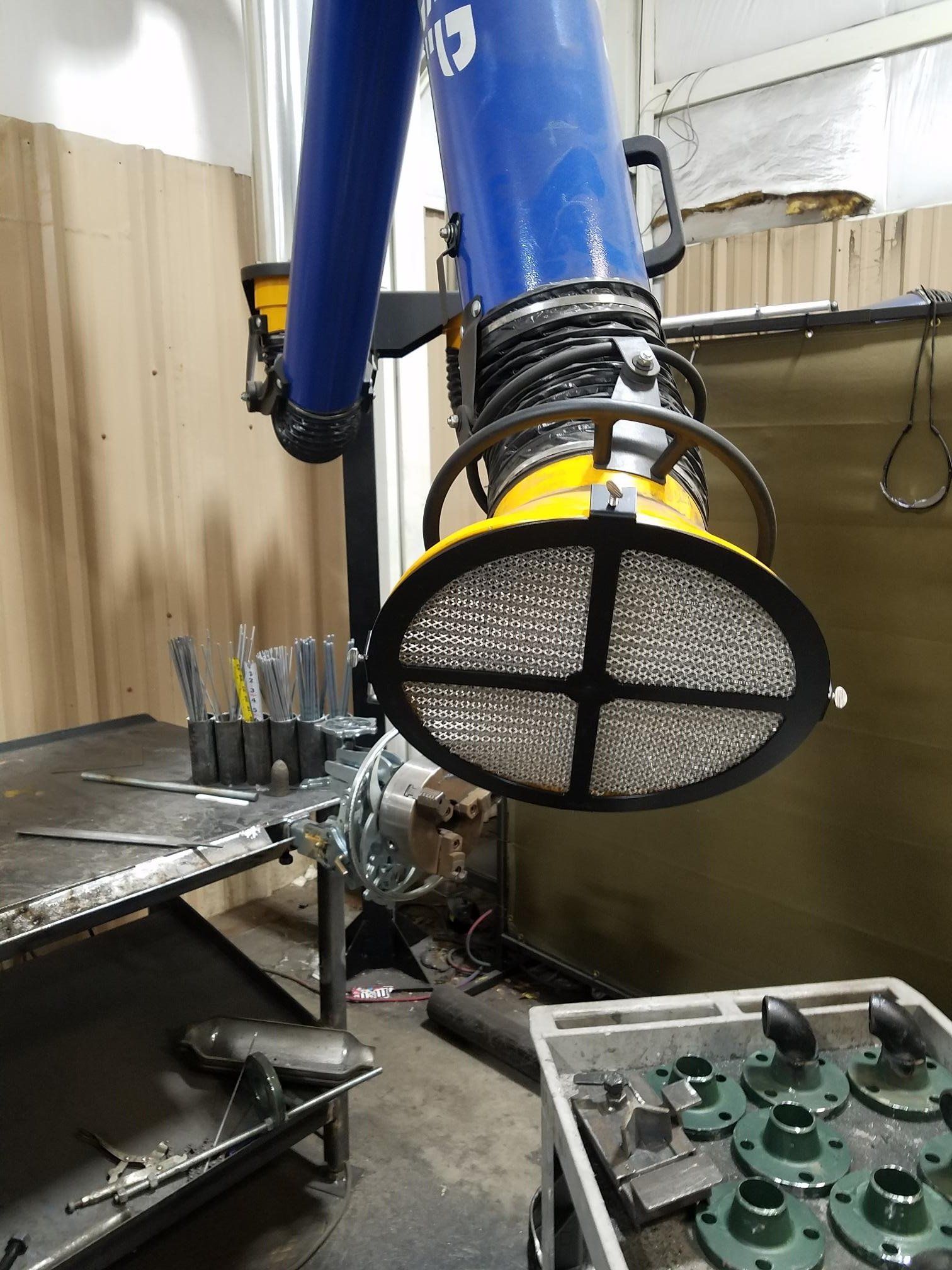
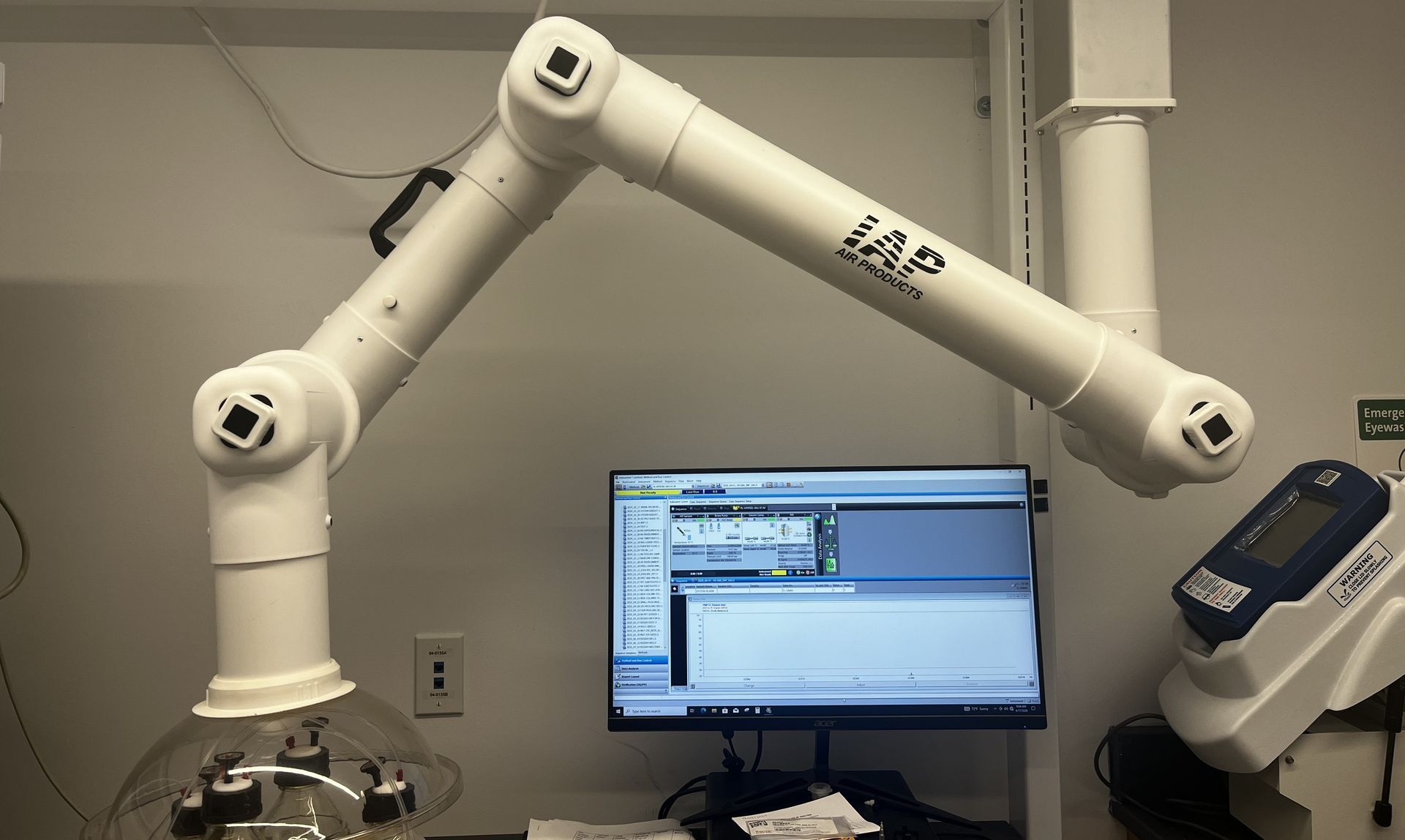
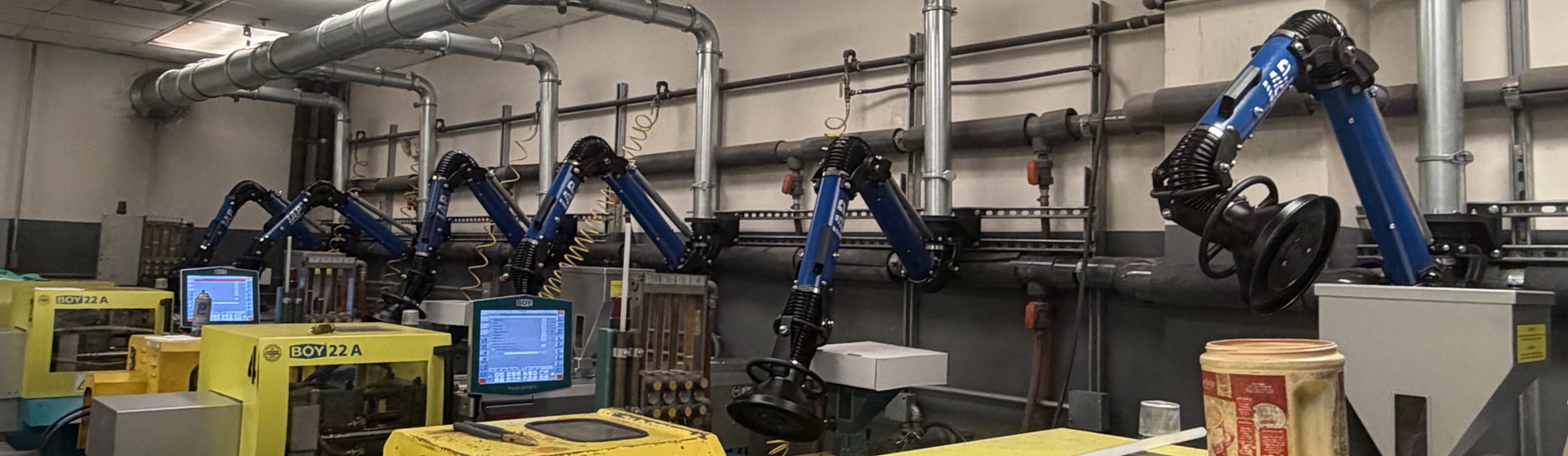
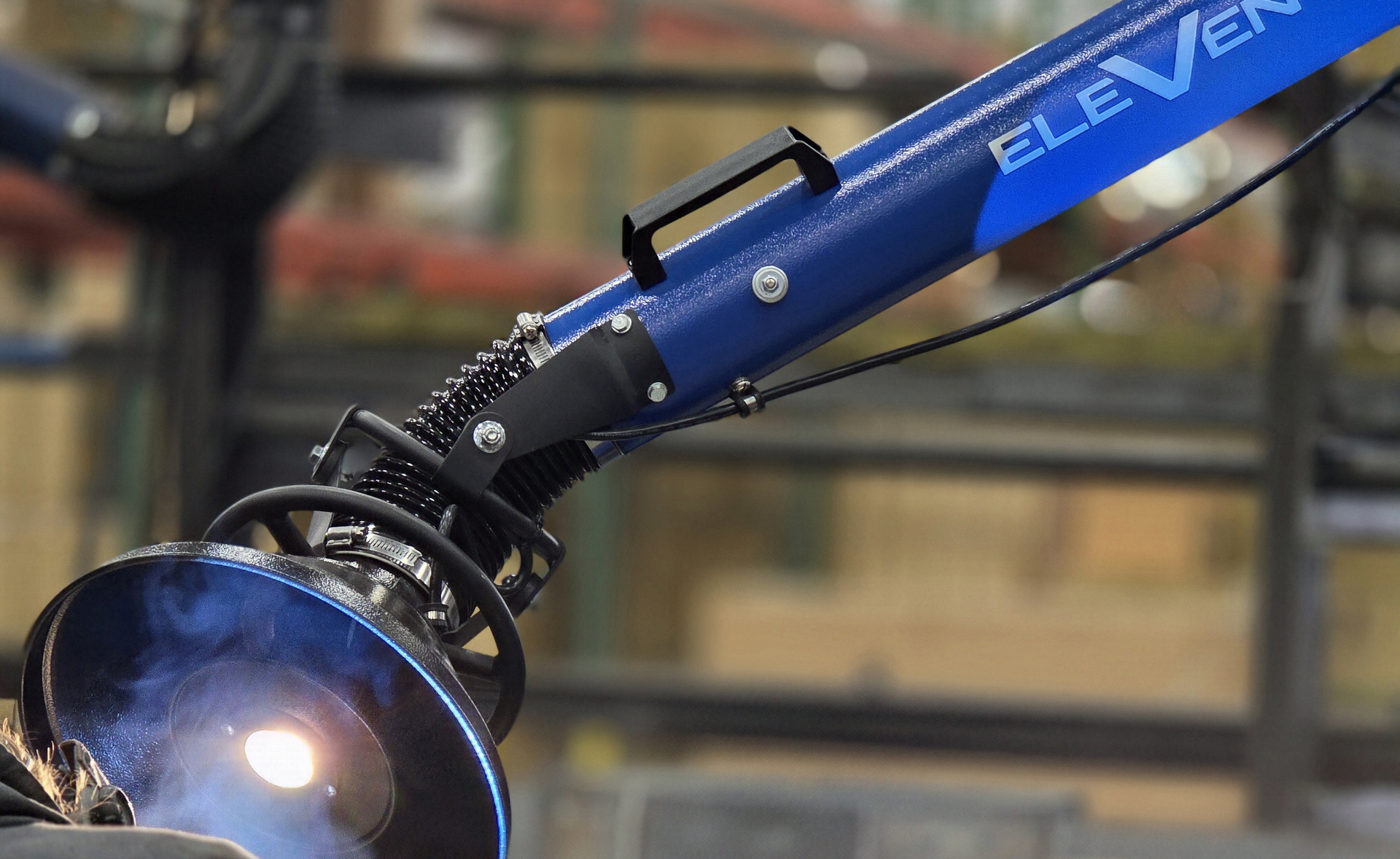
Do you ever have that magical moment when you're welding, and SPARKS START FLYING? Well, this can be a "not so magical moment" for your dust collection system. Unfortunately, in the world of dust collection, bad things happen. Using spark traps/coolers, fire-retardant filters, etc. are GREAT ways to help reduce those risks. Here at IAP Air Products, we know that when it comes to source capture, welding fume extraction arms are the first point of contact with sparks. We also know that our welding fume extraction arms can be the first layer of defense when it comes to defending your collection system. This is why we offer our layered spark protector as an option on all of our fume arms to help you keep saftey first. Let us help you by being that first layer of defense for your collection system!
Our welding fume extraction arms come in 3” through 8” diameters, and in various lengths. All sizes have available spark protectors. The spark protector is screw on with multiple layers of mesh filter media for protection.
Our welding fume extraction arms are stocked and ready to ship. For more information about our products and how we can help, contact Josh.
SHARE THIS POST