Source Capture Fume Extraction vs Self Cleaning Booths | IAP Blog
Why source capture of weld fumes is solving trade schools fume extraction opportunities
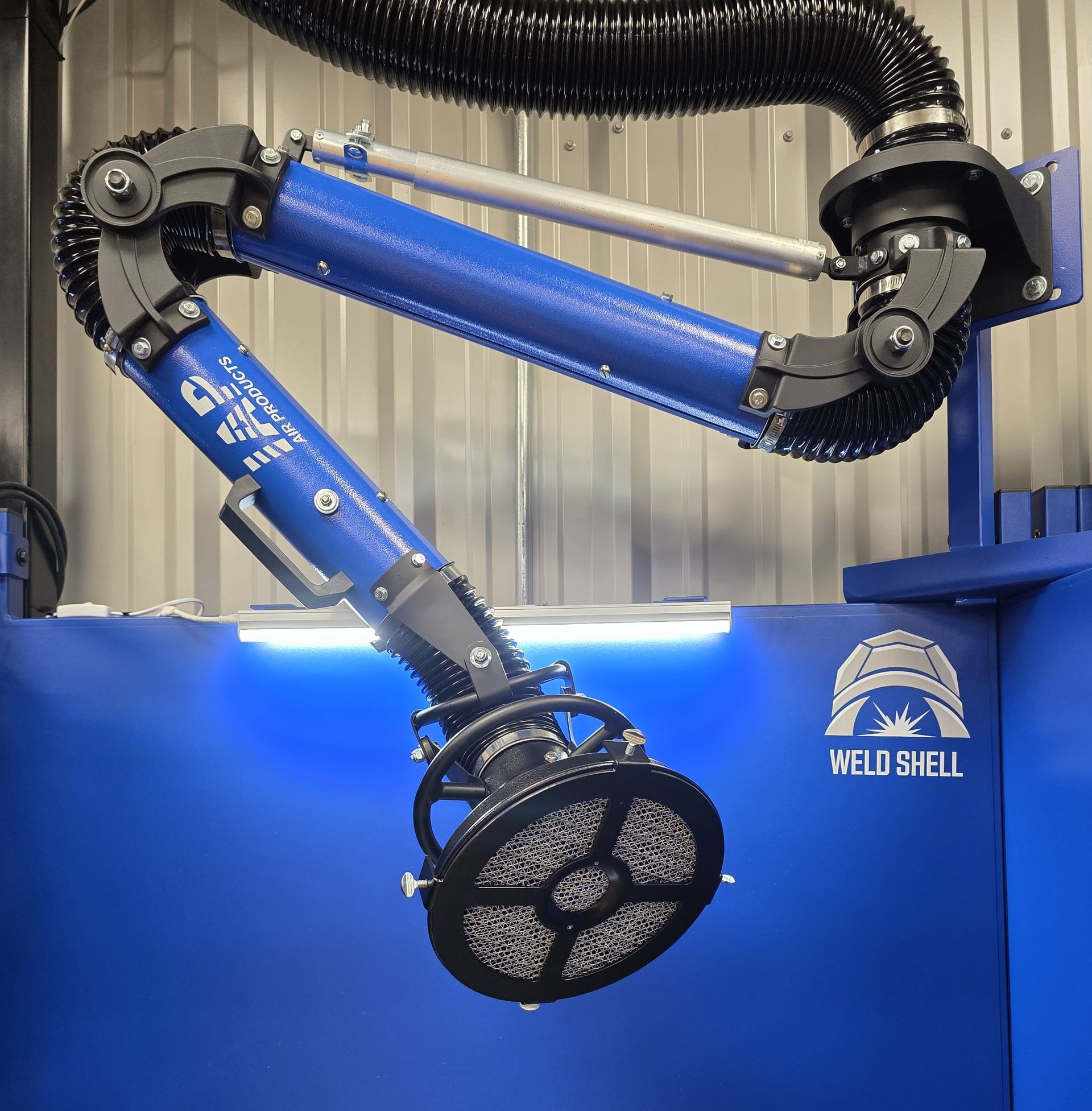
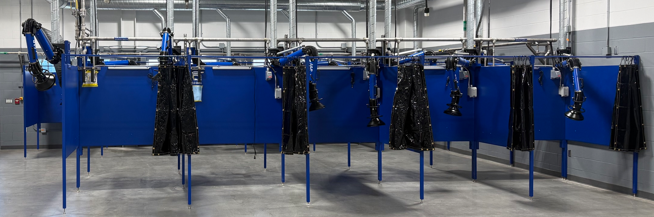
When trade schools evaluate welding booths, the decision often comes down to two options: self-contained, self-cleaning booths or booths paired with source capture fume extraction arms. On paper, self-cleaning systems can sound appealing—but real-world feedback from instructors tells a different story.
A recent perspective from a Tennessee College of Applied Technology (TCAT) instructor highlights some of the key challenges schools are facing with self-contained filtration booths after only a few years of use.
The Hidden Cost of “Self-Cleaning” Booths
Self-cleaning booths are often marketed as low-maintenance solutions, but in practice, filter replacement can become a major expense.
In this case:
- 10 double-sided booths (20 stations total)
- 4 filters per booth
- Total replacement cost: $4,800
For state-funded programs, that’s not a small number—especially when it recurs every few years. These costs can quickly eat into already tight budgets, limiting a school’s ability to invest elsewhere.
By comparison, welding booths paired with a centralized or arm-mounted filtration system typically require far fewer filters, making ongoing maintenance much more manageable and predictable.
Performance in Real Classrooms
Beyond cost, performance is where the difference becomes even more noticeable.
In a classroom setting with 15–20 students welding at the same time, self-contained booths often struggle to keep up. These systems rely on pulling contaminated air through the booth after fumes have already spread into the surrounding space.
The result?
- Smoke lingering in the room
- Reduced visibility
- Inconsistent air quality for students
As one instructor put it, these systems simply “don’t manage the smoke very well” in a full classroom environment.
Why Source Capture Wins
This is where source capture makes a clear impact.
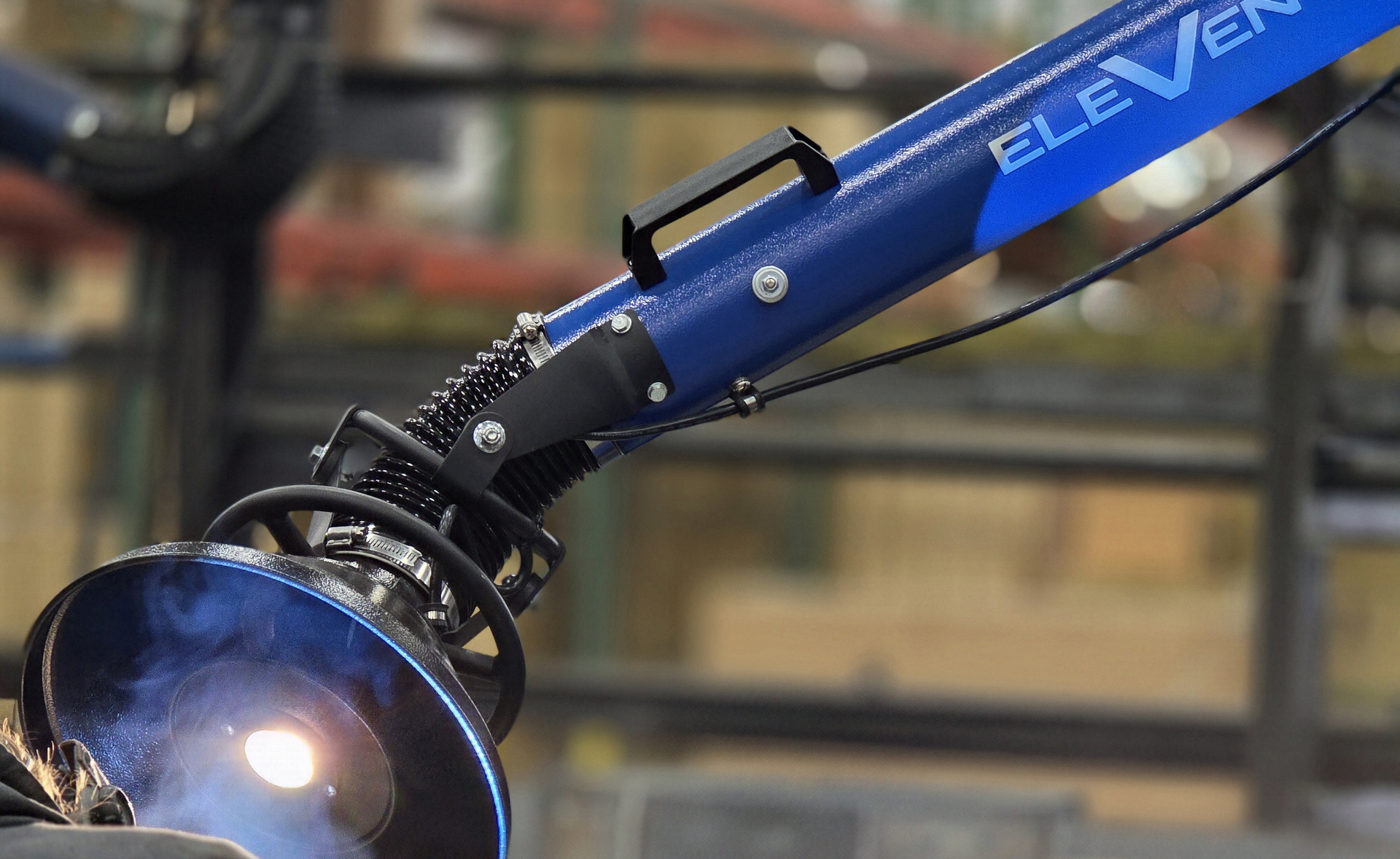
Fume extraction arms are designed to capture weld smoke at the arc, before it has a chance to rise into the welder’s breathing zone or spread throughout the room.
That means:
- Cleaner air where it matters most—right in front of the student
- Less overall haze in the classroom
- More consistent performance, even with a full class welding simultaneously
Instead of waiting for smoke to reach a student’s face before trying to filter it, source capture removes it immediately at the source. From both a health and comfort standpoint, that’s a major advantage.
A Better Fit for Trade Schools
For technical schools, the priorities are clear:
- Protect students
- Keep operating costs under control
- Ensure consistent performance in a high-use environment
Welding booths paired with fume extraction arms check all three boxes.
They offer:
- Lower long-term maintenance costs
- More effective smoke control
- A safer, cleaner learning environment
Final Thought
Self-cleaning booths may seem like a simple, all-in-one solution—but feedback from the field shows they can fall short where it matters most.
For schools training the next generation of welders, capturing fumes at the source isn’t just more effective—it’s the smarter investment.
SHARE THIS POST